


Calm Mahjong Tile Match Puzzle
4.845.00 Reviews
App Specs
- Version
- 3.8
- Updated On
- License
- Free
- Downloads
- 50,000+
- Developer
- Calm & Relaxing Games
- Categories
- Board
- Platform
- Android
Screenshots
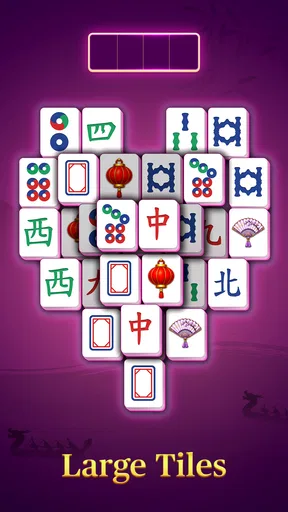
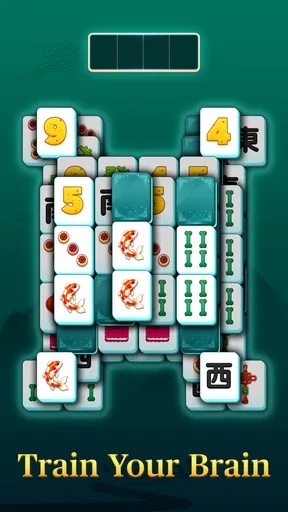
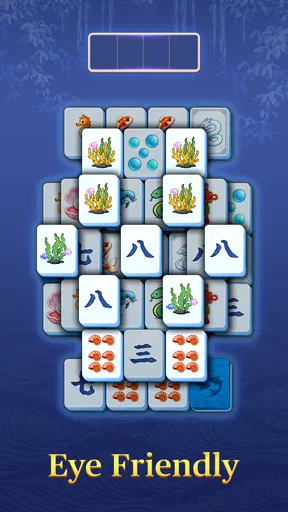

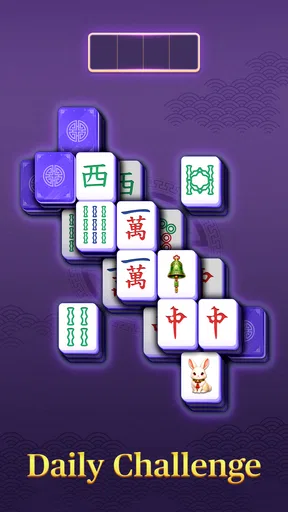
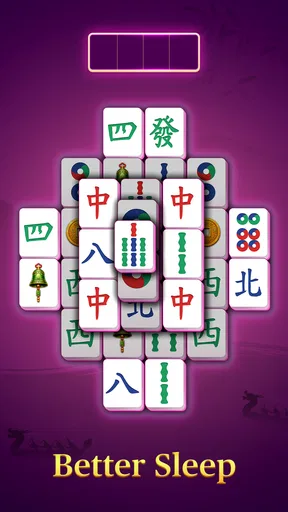
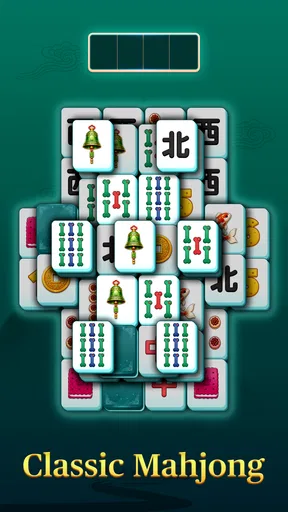
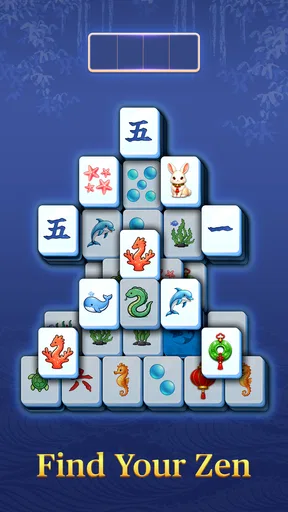
 Analysis by AppCompare
I spent time with Calm Mahjong Tile Match Puzzle as a quiet board game rather than a competitive challenge, and that distinction matters. Its appeal is simple: match Mahjong tiles, keep your attention on the board, and use a few minutes of play to settle your mind. The game comes from Calm & Relaxing Games, is free to start, and is suitable for Everyone. I found it most appealing when I wanted something structured enough to hold my attention but gentle enough not to demand constant urgency.
This is not the kind of game I would choose for a dramatic story, fast reactions, or deep online competition. It belongs to the calmer side of the board-game category, where the pleasure comes from spotting choices, clearing a layout, and gradually improving how I look at the board. The store summary presents it as a way to relax while training the brain, and in practical use that combination works best when I treat each puzzle as a short mental reset rather than a serious test of skill.
How the game feels in everyday use
I find the game works best when I treat a puzzle as a small, self-contained pause: I look over the exposed tiles, choose a match, and let the changed board guide my next move. That makes it easy to fit into a waiting room or a quiet moment at home without turning the break into a bigger commitment. The useful question is what keeps that simple rhythm engaging, so I’d look next at how each move feeds into the next.
A calm opening with a clear purpose
The central activity is easy to understand: find matching Mahjong tiles and remove them from the puzzle. That familiar structure makes the game approachable even if you have never spent much time with tile-matching games. I did not need a long explanation to understand what I was supposed to do, which is important for a title aimed at relaxation. The lack of a complicated premise also makes it convenient for short sessions between other tasks.
My favorite use case is a small break after work. Instead of opening a social feed and being pulled into unrelated updates, I can focus on the visible arrangement in front of me. The board gives my attention one manageable problem. When I am tired, that is more useful than a game that asks me to remember a large ruleset or react to changing opponents.
There is also a useful difference between relaxing and mindless. Matching tiles still asks me to scan, compare, remember what I have seen, and decide which pair to take first. That light reasoning gives the session a purpose. However, I would not describe it as a complete brain-training program. The mental exercise comes from the puzzle routine itself, and players looking for lessons, detailed progress analysis, or a broad collection of cognitive activities may want a more specialized app.
Why perceived speed matters here
For a game built around calm play, perceived speed is less about rapid animation and more about whether the board responds without getting in my way. A relaxing puzzle loses some of its value if every selection feels uncertain or if I have to fight the interface to understand what changed. In my experience, the best rhythm is a simple one: inspect the layout, make a choice, see the result, and continue without pressure.
Worth Reading Before You Choose

EA SPORTS FC Mobile 26 Is a Bigger Football Game, but It Takes Time

Flipboard Shows What News Apps Must Do Beyond the Feed

Switching to Android Auto Means Rethinking Your Driving Routine

Google Calendar Makes a Crowded Week Easier to Manage

Ludo King Makes the Most of the Minutes Between Plans

Baby Panda World Brings Quick Play to Modern Phones, but Its Game Library Feels Busy
Because the game is based on tile matching rather than a visually demanding action system, I would approach it with modest performance expectations. It does not present itself as a graphics-heavy title. That makes it a sensible candidate for casual play on an older compatible device, although the exact feel can still vary with the phone, operating system condition, available storage, and other apps running at the same time.
A practical tip is to play with the screen brightness and touch sensitivity that feel comfortable rather than assuming the default setup is ideal. Mahjong symbols can become tiring to inspect when the display is dim, while excessive brightness can work against the relaxing mood. I also prefer holding the device steadily and making deliberate taps. That reduces accidental selections and keeps the game from feeling more hurried than it needs to be.
What happens during longer sessions
The first few puzzles are easy to approach because the objective remains visible at all times. During a longer session, the main challenge becomes concentration. A board can look full of possibilities while only a few matches are genuinely useful, so I found that rushing usually made the experience less pleasant. Taking a moment to scan the exposed tiles before choosing a pair is a small habit that improves both accuracy and calm.
This leads to one of the more useful trade-offs in the game. If I treat every move as disposable, I can play quickly, but I lose the reflective quality that makes this title different from a faster matching game. If I slow down too much, the puzzle can feel repetitive. The right pace depends on why I opened it: for a brief reset, I favor steady moves; for a longer session, I deliberately pause after a few matches so the activity does not become another source of screen fatigue.
Heavy use is therefore more likely to mean repeated short sessions than a single demanding run. I would not expect the same resource demands as a modern action game with complex 3D scenes, but I would still avoid judging battery behavior from one device alone. Screen-on time, brightness, background activity, and the age of the phone can matter more than the basic board design.
Recovery after interruptions
Casual games are often used in places where interruptions are normal: on a break, while waiting for an appointment, or beside a television. For that reason, recovery is part of the experience even when it is not the main attraction. I found it best to think of the game as a flexible activity that can be put down when needed, rather than something that deserves uninterrupted attention.
If a call, message, or system task interrupts a puzzle, I would return carefully instead of immediately tapping the board. First I check which tiles are still available and then reconstruct my next move. This is a small but valuable workflow because tile layouts can be easy to misread after attention has shifted elsewhere. It also prevents a rushed tap from turning a relaxing break into an irritating mistake.
I would keep expectations realistic about recovery on older phones. The game supports devices running Android 7.1 or later, but compatibility does not guarantee identical resume behavior across every model. A newer phone may return to the board more smoothly, while an older device may reload an app after other tasks have used its memory. That is a general device constraint rather than a reason to dismiss this particular game, but it is worth considering if you frequently switch between apps.
Stability and the role of the current release
The current version is 3.8, and the title has reached over fifty thousand installs with an average rating of 4.8 from around 3.7 thousand ratings. Those figures suggest that the game has found a receptive audience, though they should not be treated as a promise that every phone will behave identically. Ratings are useful for judging broad appeal, but they cannot replace testing on a specific device.
In normal use, a board game with this straightforward format should feel less exposed to the kinds of performance problems associated with large downloads or demanding real-time graphics. Still, reliability includes more than launch speed. It also includes whether the game remains comfortable during repeated sessions, whether touch input is easy to interpret, and whether an interruption makes returning to the puzzle awkward.
My advice is to update through the normal store process and avoid running a long session immediately after a major phone change. If the device has just restored many apps, installed system updates, or is low on free space, temporary sluggishness may come from the phone rather than the puzzle itself. For a calm game, that distinction matters because even a short delay feels more noticeable when the whole point is an uninterrupted, peaceful rhythm.
The developer, Calm & Relaxing Games, has chosen a focused identity rather than presenting this as a broad entertainment platform. That focus is a strength when I want a predictable type of activity. It is less compelling if I expect frequent shifts in genre, social competition, or a large range of play styles from one installation.
Older phones, compatibility, and resource expectations
The minimum operating system is Android 7.1, which gives the game a relatively broad compatibility range compared with titles that require a recent phone. That makes it worth considering for someone keeping an older Android device in service. Even so, an operating-system requirement is only the starting point. A phone with limited memory, a crowded storage drive, or an aging battery may deliver a less comfortable experience than a newer model.
I would especially consider the screen. Mahjong games depend on recognizing symbols and distinguishing available tiles, so a small display or poor viewing angle can affect enjoyment more than raw processing power. Someone with reduced visual comfort may prefer a larger phone or tablet, while a user who wants to play one-handed on a compact handset may need to slow down and check each selection.
Resource demands should also be judged in context. A quiet tile board is unlikely to be the reason a modern phone becomes hot during ordinary play, but that does not mean every session is cost-free. Any game that keeps the display active will consume some battery, and repeated play while charging or in bright outdoor conditions can change the experience. I see this as a title suited to occasional or moderate use, not as something I would leave open for hours without considering the device.
One non-obvious benefit of the simple format is that it can fit into a low-distraction routine. I can put the phone into a quieter environment, silence unrelated notifications, and use one puzzle as a boundary between tasks. This is more effective than opening the app while multitasking heavily. The game may be calm, but the phone around it may not be; managing that surrounding noise is part of getting the intended benefit.
Free entry and the cost of continuing
The game is free, which removes the biggest barrier to trying it. That is helpful for anyone unsure whether Mahjong matching will hold their interest. In-app purchases range from $0.99 to $24.99 per item, so I would approach the optional spending with a clear personal limit. The free entry point is attractive, but players who dislike purchase prompts or prefer a completely paid-once experience should inspect the purchase flow before settling into a long-term routine.
My own rule for a relaxation game is simple: I should never feel that I need to spend money to preserve the calm experience. If a purchase is presented as a convenience, I can decide whether it genuinely improves my routine. If it begins to influence how quickly I play or whether I can continue comfortably, I would step back. This is especially important for younger users, even though the content rating is Everyone; a family device should still have sensible purchase controls.
Compared with a physical Mahjong set, the app is much easier to carry and faster to start. I do not need a table, several players, or time to arrange pieces. Compared with a competitive online board game, it is less socially engaging and probably better suited to solitary decompression. Compared with a general puzzle collection, its narrow focus can be either a benefit or a limitation: I get a consistent tile-matching routine, but not the variety of word, number, or logic puzzles found elsewhere.
Who will enjoy it, and who should skip it
I would recommend this game to someone who wants a gentle solo board activity, enjoys visual matching, and prefers progress through concentration rather than speed. It is also a good fit for short waiting periods, evening wind-downs, and moments when I want a little mental structure without committing to a story or a multiplayer match.
I would be more cautious recommending it to players who need constant novelty. If you want elaborate levels, competitive rankings, narrative rewards, or fast reactions, a different board or puzzle game will probably provide more stimulation. The same applies if you find repeated tile scanning tiring. The calm design is not automatically relaxing for everyone; people who dislike pattern-search tasks may experience it as visual work rather than a break.
It is also not my first choice when I want to socialize. A physical Mahjong game or an online multiplayer alternative is better for conversation, shared strategy, and the feeling of playing with other people. This title makes more sense when the goal is personal focus. That is a meaningful distinction, because choosing it for the wrong kind of evening could make the game seem shallow when its real strength is its quiet, limited scope.
Small habits that improve the experience
I get more from the puzzles when I avoid making the first obvious match automatically. Instead, I scan the exposed tiles and consider whether a pair opens more useful choices. This turns the game from simple recognition into a modest planning exercise. It is not about solving every board perfectly; it is about making the layout easier to read and keeping the pace deliberate.
Another useful habit is to stop before concentration drops completely. When I notice that I am tapping without looking carefully, the relaxing value has already weakened. Closing the game after a short, satisfying session can be better than forcing another round. This is particularly practical on an older phone, where shorter sessions also reduce the chance that background activity or battery condition becomes part of the problem.
Finally, I would use it as a transition rather than an escape hatch. One puzzle after finishing work, before bed, or while waiting can create a clear pause. Opening it every time I am avoiding an important task is different; then even a calm game can become another form of distraction. The title works best when I decide what the session is for before I begin.
My performance verdict
After weighing speed expectations, longer-session comfort, interruption recovery, compatibility, and cost, I see Calm Mahjong Tile Match Puzzle as a focused and approachable board game rather than a demanding technical showcase. Its simple tile format should suit casual hardware better than visually intense alternatives, while Android 7.1 support makes it accessible to many older devices. I would still leave room for differences caused by memory, storage, screen size, and battery condition.
The strongest part of the experience is the controlled pace. I can use it for a few quiet minutes, concentrate on one board, and stop without feeling that I abandoned a complicated campaign. The main weakness is the same narrow focus that creates its calm identity: after repeated sessions, players who need variety or social play may find it limited. The in-app purchase range is another reason to decide in advance how much, if anything, fits my budget.
My final recommendation is positive for the right audience. If you want a free, Everyone-rated Mahjong matching game from Calm & Relaxing Games that emphasizes quiet attention over competition, this is an easy one to try. I would install it on a compatible device, begin with short sessions, and judge the comfort of the tile symbols and touch response before committing to longer play. Its best quality is not intensity but restraint: it gives me a small, repeatable puzzle space when I want my phone to feel less demanding.
Pros
- Relaxing tile-matching gameplay suitable for short breaks
- Simple controls make it accessible for beginners
- Calm visuals and music create a soothing atmosphere
- Multiple puzzles offer variety beyond a single board
- Offline play is useful when traveling or without mobile data
Cons
- Some levels may feel repetitive after extended play
- Hints and other helpful tools may be limited without rewards
- Advertisements can interrupt the relaxed gameplay experience
- Difficulty balance may vary between puzzle layouts
- Progress or extra features may depend on in-app purchases
FAQs for Calm Mahjong Tile Match Puzzle
What is Calm Mahjong Tile Match Puzzle?
Calm Mahjong Tile Match Puzzle is a relaxing tile-matching game inspired by traditional Mahjong solitaire. Instead of competing against other players, you clear the board by finding and matching identical tiles according to the level’s rules. Its calm presentation, simple controls, and gradually changing layouts make it suitable for short sessions, casual play, or anyone looking for a low-pressure puzzle experience.
How do you play Calm Mahjong Tile Match Puzzle?
Gameplay generally involves selecting available tiles and matching identical symbols to remove them from the board. A tile is usually available only when it is not blocked by another tile and has a free side, although the exact rules can vary between stages or modes. Players must plan their choices carefully, because removing the wrong pair can leave important tiles inaccessible later.
Is Calm Mahjong Tile Match Puzzle suitable for beginners?
Yes, the game is designed to be approachable for beginners. The matching concept is easy to understand, and the early puzzles typically provide a gentle introduction to the board layouts and available moves. However, later levels may require more attention and forward planning. Players who are unfamiliar with Mahjong solitaire can learn the basics quickly without needing prior knowledge of the traditional game.
Does Calm Mahjong Tile Match Puzzle require an internet connection?
The core puzzle experience may be playable offline, which is convenient when traveling or when you have limited connectivity. Nevertheless, some features can depend on an internet connection, including advertisements, cloud synchronization, updates, event content, or in-app purchases. Availability may also differ between Android and iOS versions, so checking the store description and testing the game offline after installation is recommended.
Is Calm Mahjong Tile Match Puzzle free to download, and does it contain ads or purchases?
Calm Mahjong Tile Match Puzzle is commonly offered as a free download, but free access may be supported by advertising or optional in-app purchases. Ads can appear between levels or when using certain helpful features, while purchases may provide extra hints, remove advertisements, or unlock additional content. Before downloading, review the current store listing and parental-control settings if children will be playing.


